Training Ground in Wartime
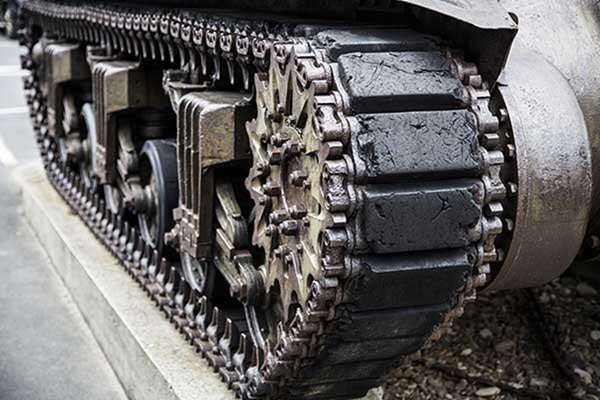
During WWII, Scriven Hall was requisitioned as an army camp and the park was used to train tank crews and infantry.

Discover the fascinating history of Jacob Smith Park, from ancient landscapes to a community gift. Learn about the Jacob Smith Family →
by Kevin Earl
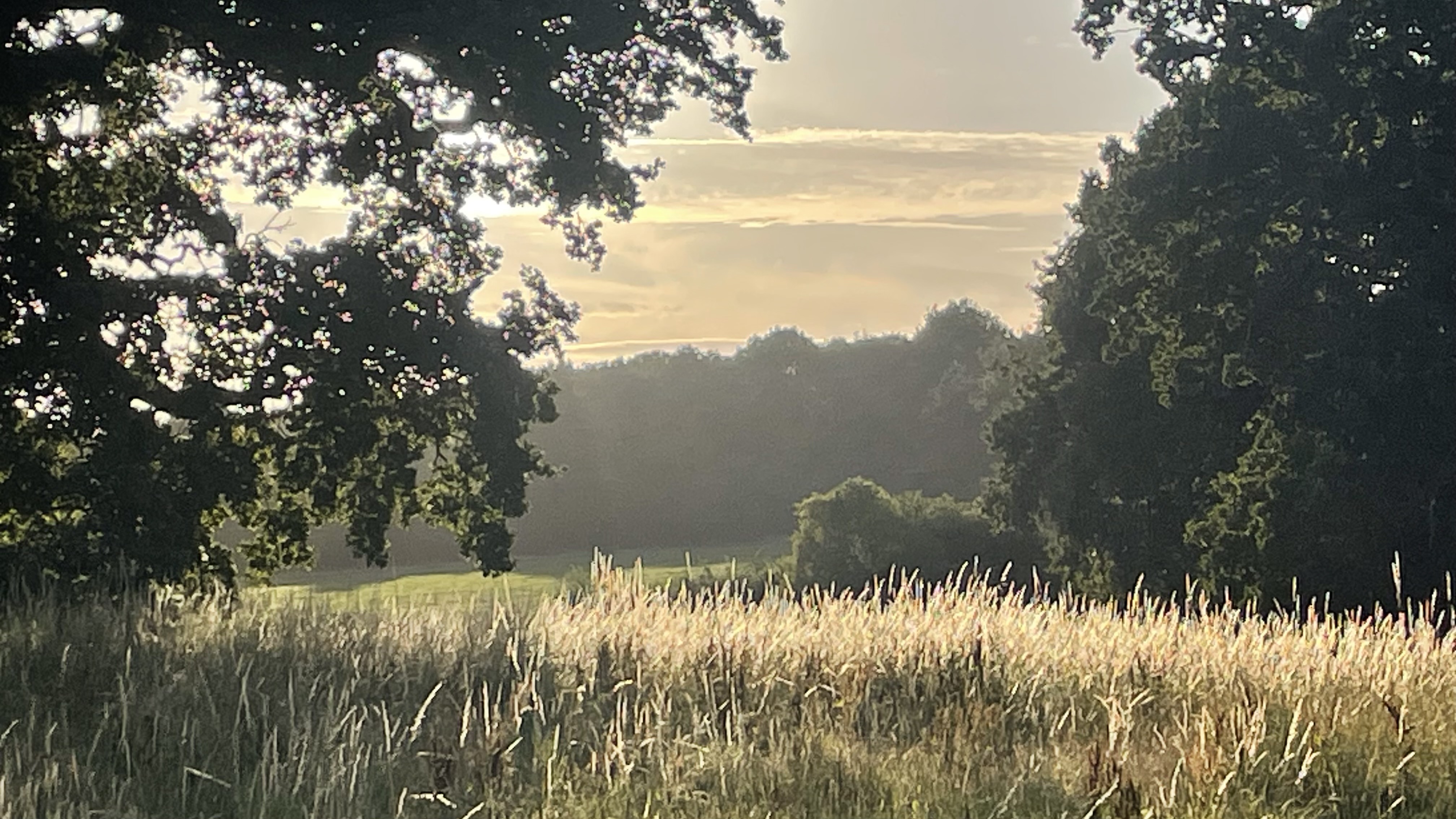
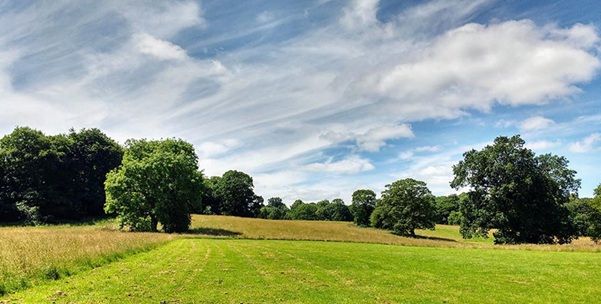
A research study has revealed that Jacob Smith Park holds significant local archaeological importance and is a relic of a much older landscape associated with the village of Scriven.
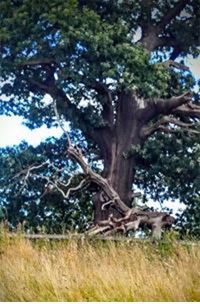
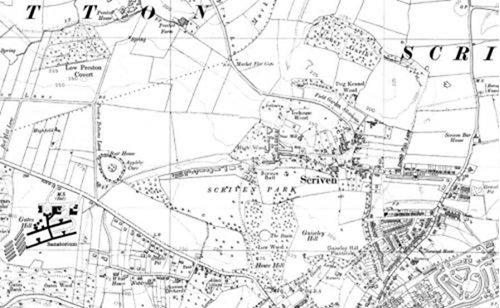
The Claro Community Archaeology Group (Knaresborough) published findings in 2013 in The Chronicles of Scriven. Low Wood at the western edge of the park was planted as part of 18th-century landscaping by the Slingsby family. Their estate wall still runs along Scriven Road and Scotch George Lane. Scriven Hall, overlooking the park, was demolished in 1954 after a fire.
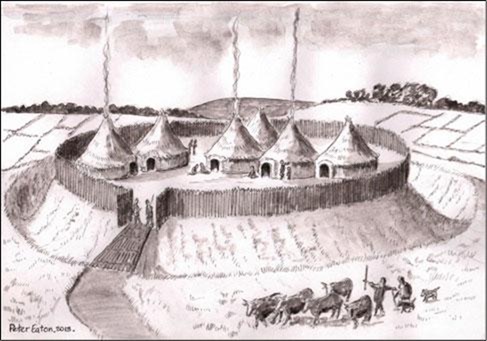
Ridge and furrow, evidence of medieval ploughing, can still be seen when the grass is short. A 1629 map shows a farmstead near Scotch George Lane. The ponds may relate to small-scale iron smelting in the 16th–17th centuries and there is evidence of historic water management in the fields.
Ridge & furrow agriculture; estate development under the Slingsby family.
Landscaping of parkland and planting of Low Wood; construction of the estate wall along Scriven Road and Scotch George Lane.
Scriven Hall demolished following fire damage.
Park used for training tank crews and infantry while Scriven Hall served as an army camp.
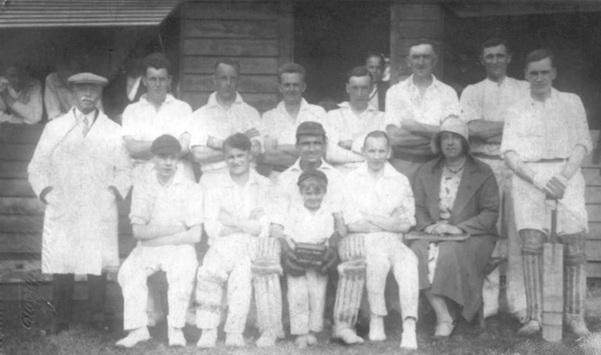
The park also hosted the village cricket pitch in the early–mid 20th century.
After the estate was sold, sisters Winifred and Dorothy Jacob Smith purchased the 30 acres that later became the park for grazing their Ayrshire cattle.
Winifred Jacob Smith MBE bequeathed the land to the public; Jacob Smith Park opened officially in 2008.
During WWII, Scriven Hall was requisitioned as an army camp and the park was used to train tank crews and infantry.
The park doubled as the village cricket ground. Teams and spectators gathered here for matches and local events.